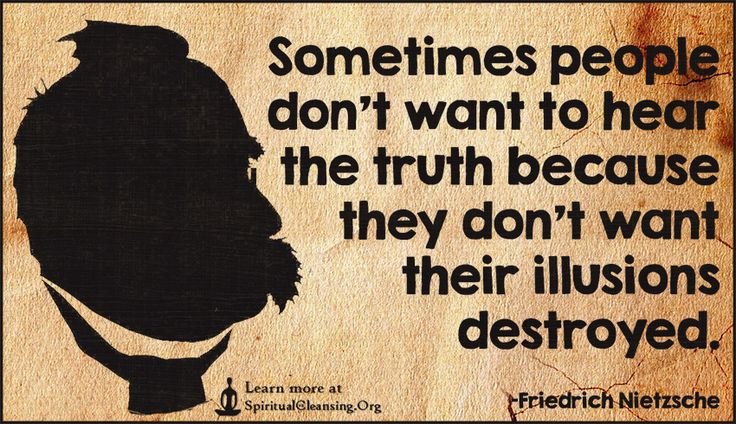
A utopian dream or a demand for efficiency?
In this election season, where promises and speeches intertwine, the question of truth in politics becomes crucial.
How can we cast our vote—and thus delegate our authority—to people who lie brazenly, who constantly change their positions and opinions, who casually discard the convictions they proclaimed as absolute truths just a few days earlier!
Could we demand more transparency, more truth from those who propose to represent us or to manage “the life of the city” on our behalf (the people)?
As a Christian, I cannot help but see in this quest for transparency an echo of the biblical demand for truth (Ephesians 4:25) and accountability before God and man. How can we reconcile political engagement, at whatever level, with faithfulness to the Gospel?
This is an issue that deserves our attention…
Especially as our country stands on the brink of making some crucial decisions.
In July 2024, the Welsh Parliament (Senedd) passed a bill aimed at prohibiting members of Parliament and candidates from deliberately lying. This bill, sponsored primarily by the Plaid Cymru party and supported by the Welsh Labour government, provides for the disqualification of elected officials or candidates found guilty of deliberate deception through an independent judicial process. The goal is to strengthen citizens’ trust in their representatives and combat political disinformation.
The law is set to take effect before the 2026 general election in Wales. It is being touted as a world first and has drawn international interest, with some hoping for a domino effect in other democracies. In practical terms, any parliamentarian or candidate found guilty of deliberate lying could be expelled or disqualified. The specific details of implementation (legal procedures, definition of a lie, etc.) are still being worked out.
In France, this Welsh initiative is sometimes cited as a potential source of inspiration, but no similar initiative has yet been officially launched or adopted. As of March 2026, there is still no specific bill in France aimed at explicitly criminalizing political falsehoods. However, several initiatives and debates are currently underway regarding this issue.
A citizen petition, still active on the National Assembly’s platform, calls for the creation of a legal framework establishing a crime of political lying. This text proposes penalizing political leaders when they knowingly make statements contrary to established facts.
Discussions and proposals, such as those from the Institute for Justice, suggest institutionalizing sanctions (for example, the loss of eligibility to hold office) for proven lies by political representatives, but these ideas have not yet been translated into legislation.
Truth: The Foundation of Democracy and the Christian Faith
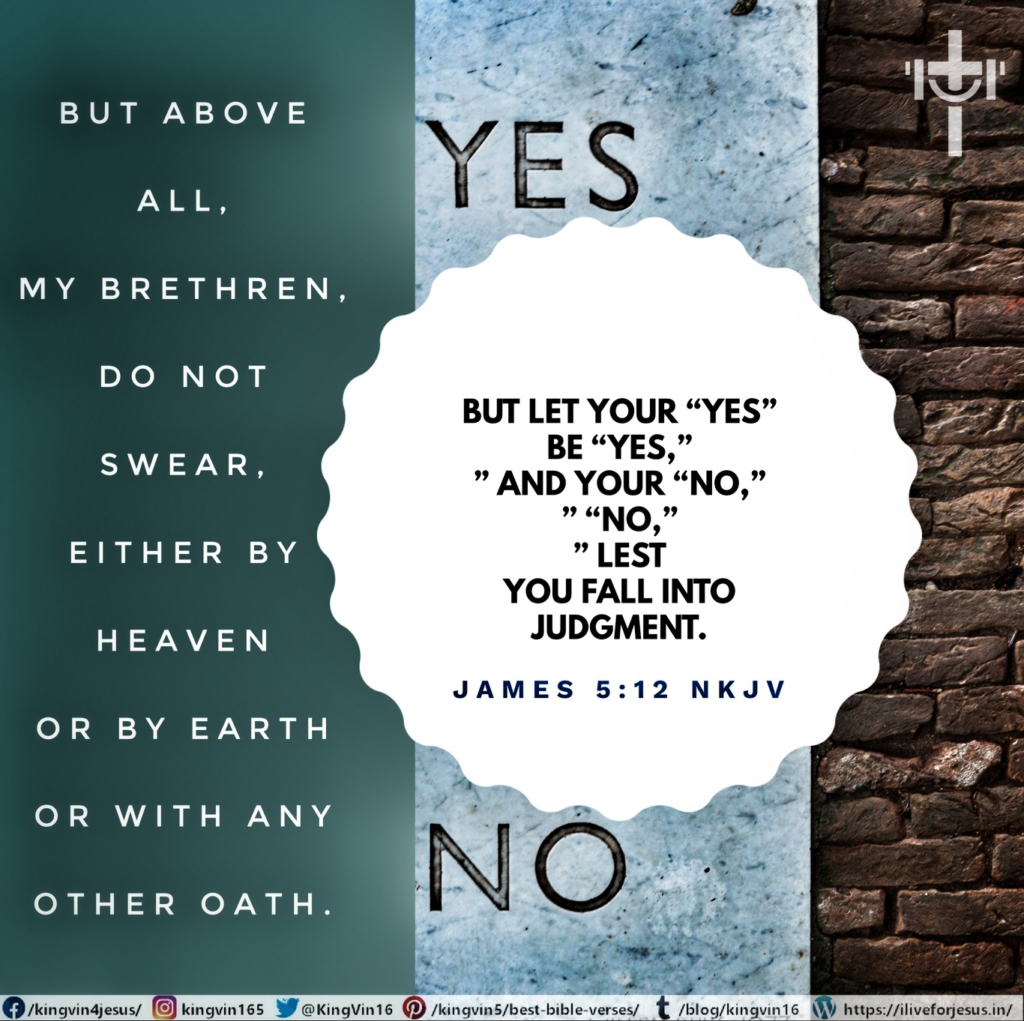
Faced with the urgent reality of a political climate where truth often seems sacrificed on the altar of expediency, the issue of representatives’ integrity cannot leave Christians indifferent. How, indeed, can we entrust our authority to leaders whose words and commitments shift with the whims of polls or electoral strategies?
The Bible reminds us that truth is non-negotiable: “Let each of you speak the truth to your neighbor” (Ephesians 4:25). This requirement, far from being a mere moral recommendation, is the very foundation of a just society and a democracy worthy of the name.
The Welsh initiative, which aims to penalize lying in politics, sends a strong signal. Does it stem from the spiritual revival of the early 20th century, or is it the result of citizens’ growing frustration at being systematically taken for fools? In any case, it reminds us that trust between those who govern and those who are governed rests on transparency and accountability.
In France, where debates on the moralization of public life remain heated, this question deserves to be asked with courage: how can political engagement be reconciled with Christian ethics, which demand truth, humility, and service to the common good?
As believers, we are called to be the “salt of the earth” and the “light of the world” (Matthew 5:13–14)4).
This means we must not merely condemn abuses of power, but also actively promote models of governance based on honesty and keeping one’s word. Citizen petitions, public debates, and legislative initiatives—such as the one in Wales—are avenues worth exploring to restore the credibility of our institutions.
As elections approach, let us pray—even if it requires faith “to move the highest mountains”—that our current and future leaders may finally be guided by integrity or simply be removed from office.
Let us commit, each at our own level, to living this truth that sets us free (John 8:32) and to defending it, for it is this truth that makes a more just and fraternal society possible. Politics is not merely a power game; it is a mission of service, where truth must always prevail.
Mikaël Réale