How Anti-Hate Laws Are Redefining Religious Freedom.
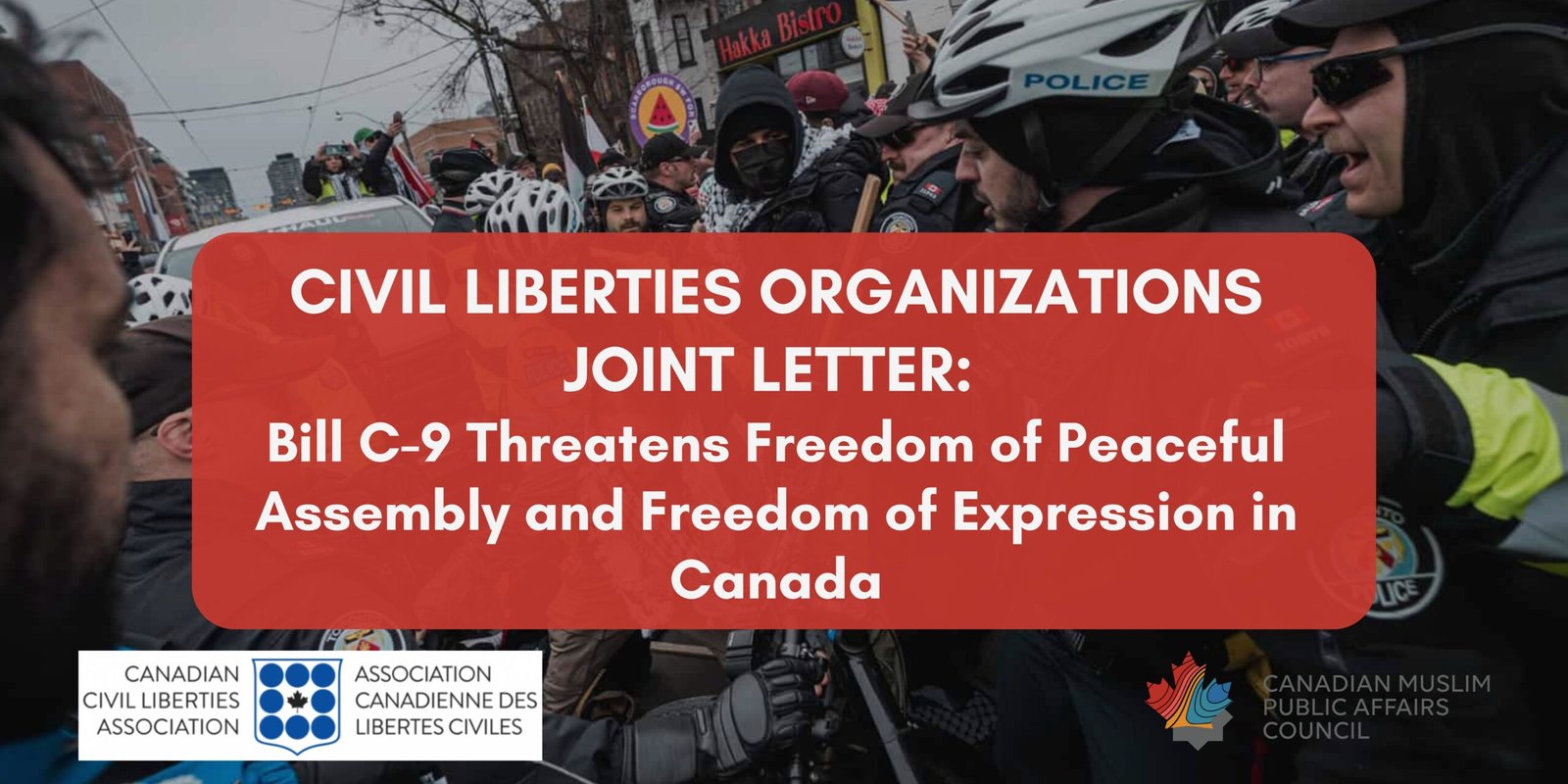
Canada Adopted Law C-9 in March 2026: A Global Trend Toward Restricting “Hate Speech” and Its Impact on Religious Freedom
These laws are often criticized for their lack of precision and their potential to criminalize legitimate expressions, particularly in a religious or moral context. This is already the case in many European countries, which are increasingly facing the potential criminalization of biblical teaching—particularly on sensitive topics such as family, sexuality, or morality—which could be interpreted as “hate speech” if deemed offensive or discriminatory toward an identifiable group.
This inevitably leads to restrictions on sermons and publications
that address societal issues. Their authors could face prosecution if a sermon on traditional marriage or the family is interpreted as a “hate attack” against LGBTQ+ individuals.

Christian ministries may be reluctant to address certain topics for fear of legal action, which could lead to a form of self-censorship. “Pro-life” organizations have already called on their members to prepare for “growing hostility” and legal pressure in the event of complaints or police investigations.
Vague laws, but real risks
The problem remains the definition of hate speech. Does stating that a human being has the right to society’s protection from the moment of conception in the womb, or that biblical marriage can only be celebrated between a man and a woman, constitute hate speech? Yes, I know, this can sometimes be offensive… just as it is offensive to call people who attend church, synagogue, mosque, or Mass “bigots” or “churchgoers” in a world that is becoming more secular by the day. We’ve never seen anyone file a hate speech complaint against these mockeries so popular in the media. And when voices are raised, the media cloak themselves in that sacrosanct freedom of expression that they would gladly deny to “religious people.”
A recent case illustrates this troubling shift: in Malta, a friend who leads worship, Matthew Grech, was sued for sharing on a reality TV show his conversion testimony that led him to change his “sexual orientation.” Accused of hate speech by LGBTQ+ lobbies, he was ultimately acquitted in 2026 after a highly publicized trial lasting several years. The court ruled that sharing his personal life experience fell under freedom of speech and religious freedom, and not incitement to hatred.
The heart of the matter is: who defines hatred?
This example illustrates just how thin—or even arbitrary—the line between religious belief and hate speech can become, depending on how the laws are interpreted.
“In the past, the crime of lèse-majesté protected the sovereign by criminalizing any criticism or offense directed at him, in the name of order and the sacred respect for authority. Today, certain laws against hate speech, while legitimate in their intent to protect minorities, risk creating a form of ‘lèse-minorities’: a gradual criminalization of opinions or beliefs that, without inciting violence, deviate from dominant norms or offend the sensibilities of identifiable groups.”

The challenge remains to strike a balance between protecting against actual hate speech—a goal I fully support—and preserving a space for free debate, where criticism—even when uncomfortable—does not amount to a crime of opinion. Laws are often too vague to adapt to changing realities, but this lack of precision can also open the door to abuse or uneven enforcement.
What if we led by example …
The Facebook, Instagram, and other social media profiles of so many Christians and ministries are filled with insults, scathing mockery, and “fake news,” particularly within the evangelical community during election campaigns. By adopting this aggressive tone, sharing unverified information, or making statements devoid of love, compassion, and charity, these abuses unfortunately provide a platform for critics of religious freedom, who see them as proof that Christian beliefs do not deserve protection. Far from defending the freedom of our faith, such behavior reinforces negative stereotypes and provides ammunition to those who advocate for ever-stricter regulation of speech.
Yet we Christians should never use our religious freedom as an excuse to speak harshly or hurtfully. Let’s stop retaliating—first among ourselves, and then toward the world. Let’s stop believing that with a sharp post, we’ll prevent the tensions that Jesus warns us about in Matthew 24. Christ does not call us to respond with the same weapons as the world. Our spiritual freedom will not be defended by hatred, but by love and truth, even (and especially) when the truth is uncomfortable and dérange.
Mikaël Réale