
Beyond the Divide in Frameworks of Reference
By Mikael REALE
We’ve all had this unsettling experience: we’re talking with a close friend—someone with whom we share a history, mutual respect, and the same faith. The foundation seems solid; the conversation promises to be constructive. Yet as soon as the discussion touches on certain sensitive issues in our world, something shifts. The foundation crumbles.
Without even realizing it, our conversation partner—or we ourselves—suddenly switches to a different set of standards and values. Where we were once using theology and the sanctity of life to address an issue, we suddenly find ourselves judging another matter by the standards of fear, pragmatism, or cultural identity. On one hand, we quote the Bible to defend a conviction, but as soon as that same Bible challenges our instincts or patterns of thought in another area, we shift toward a “clan” mentality—the law of the jungle or the preservation of what we’ve already gained.
Why this reflex? Why is it so easy for us to compartmentalize our thoughts and bend the Gospel to suit our immediate needs?
When we take a step back from the debates that are stirring up our times, the question is no longer which side is right or which stance is the correct one. The question becomes spiritually fundamental: on what foundation do our convictions truly rest, and of which Kingdom are we truly citizens?
The Trap of “Variable-Geometry” Faith
In cognitive psychology, this is referred to as a “shift in frames of reference.” In theology, it is more simply called “rationalization”: we first adopt a personal stance—often dictated by our environment, our fears, or our culture—and then look to our sacred texts or intellectual logic to find a way to legitimize it after the fact.
For Christians, the problem is not having opinions about the way the world works. Quite the contrary—we should be the first to reflect on these matters. No, the problem arises when our faith in Christ ceases to be the source of our values and becomes merely a tool to dress up our preconceived ideas.
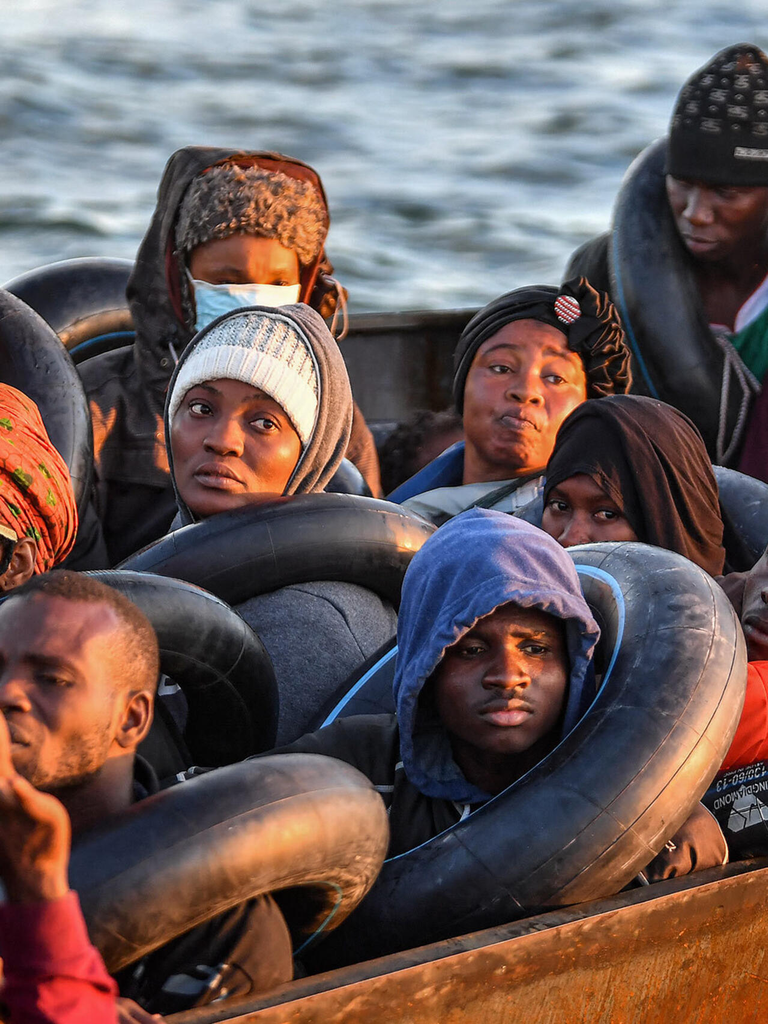
The Gospel does not tolerate this dichotomy. If we affirm, for example, that all human life has absolute value because it bears the imprint of the Creator, this truth cannot be a negotiable principle subject to varying standards. It cannot be an absolute certainty when it comes to a moral issue that suits us, only to become a secondary consideration the moment the other—the stranger, the marginalized, the one who disturbs our comfort—enters our field of vision.
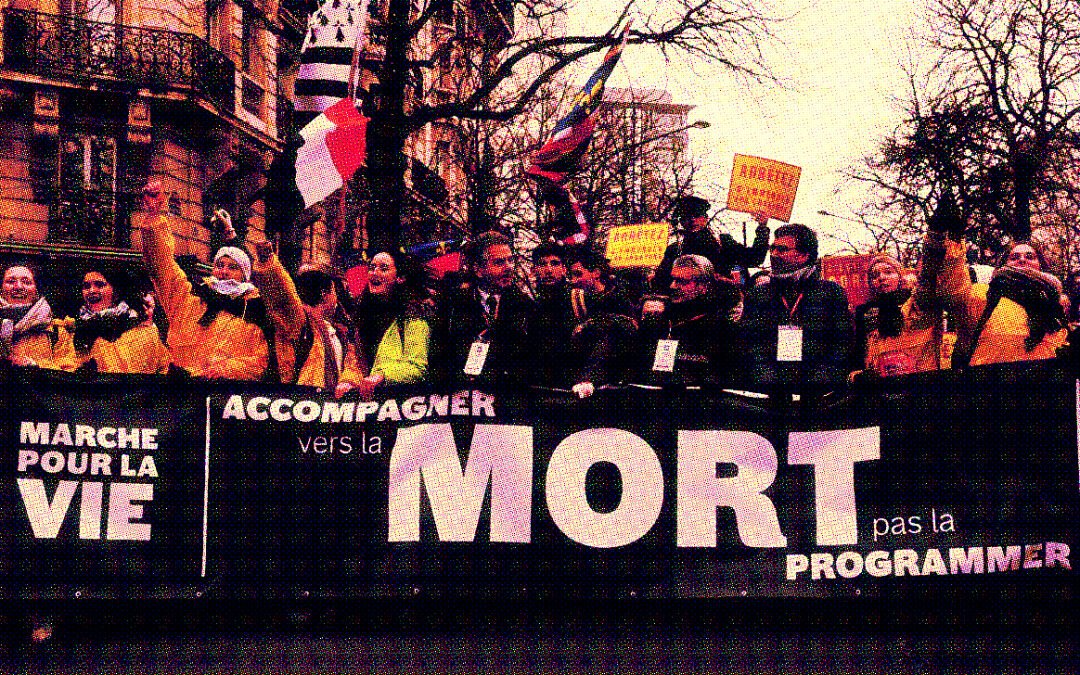
To a friend who, like me, considers himself “pro-life” and floods social media with posts against abortion or against “end-of-life” laws, I pointed out the inconsistency in his arguments given his stance on the death penalty—which he would have liked to see reinstated.
This is where our spiritual maturity is tested: in our ability to maintain absolute consistency between what we profess to believe and the way we view the world and its excesses. Blindly applying the position dictated by our group, our church, or our political party leads us to be swayed by “every wind of doctrine,” as Paul put it.[1].
The Clash of Two Citizenships
If we so often fall back into the instinct to identify with our own group, it is because we forget a fundamental truth emphasized by Paul himself in his letter to the Philippians: “But our citizenship is in heaven, from where we also await the Lord Jesus Christ as our Savior.”[2].
The word used for “city,” politeuma, refers to the source of our citizenship—the homeland from which we derive our culture and laws. By affirming that our city is heavenly, Paul is not inviting us to flee reality or to turn our backs on the world. He is reminding us that our primary loyalty and our way of thinking no longer depend on the logic of this world.
When we are born again, our spiritual passport changes jurisdiction. The boundaries of the Kingdom of God do not correspond to any human boundaries. Its logic overturns our natural instincts.
Human culture seeks security through withdrawal; the Kingdom calls for radical hospitality. The world seeks to accumulate and protect its territory; the Kingdom affirms that there is more joy in giving than in receiving. Human wisdom sorts people according to their usefulness or their origin; the Kingdom proclaims a universal grace offered to all without distinction.
To reduce Christ’s message to the defense of “my group,” “my comfort,” or “my traditions” is to diminish the immensity of divine grace to the narrow confines of a parochial mindset.
Fear: The Fuel of Inconsistency
What drives us to shift our foundation and abandon love in favor of mental self-defense? The answer lies in one word: fear.
Since the beginning, fear has been the force that drives the human heart to turn away from trust in God and build its own fortifications. Adam hid out of fear after the Fall; Cain built the first fortified city to combat the terror of wandering. [3] ; The disciples themselves are panicking in the storm while the Master sleeps beside them.
Today, the fear of a changing world—the fear of losing our identity or our privileges—drives us to adopt survival mechanisms. But fear is a very poor theological guide. It leads us to see others as a threat before we see them as neighbors. It makes us forget that biblical justice is based on a principle of disarming simplicity:
“You shall love the stranger, for you were strangers in the land of Egypt.” [4]
The grace we have received was not earned. Spiritually speaking, we were all rootless, destitute, without rights or hope—yet we were welcomed to the King’s table out of pure mercy. How, then, can we use different standards to measure the dignity of those around us?
Growing Up to Become Ambassadors of Grace
In his writings, the Apostle Paul often lamented the believers’ slowness to grow spiritually, regretting that he still had to give them “milk”—food for infants rather than solid food[5].
What is characteristic of an infant is that his ego is the center of his universe. He reduces everything to his immediate needs, his safety, and his well-being. But growing in Christ means undergoing a major inner shift. It means realizing that God’s plan does not revolve around preserving our small personal or cultural comforts, but around radiating His love into a broken world.
We are thus called to overcome the temptation of tribalism, and that requires immense courage.
We must have the courage not to give in to the prevailing polarization that demands we choose one side over another. The courage to uphold the truth of God’s Word without ever arming it with hatred or contempt. And even the courage to remain vulnerable and open in a world that advocates hardening our hearts.
The Urgency of Authentic Testimony
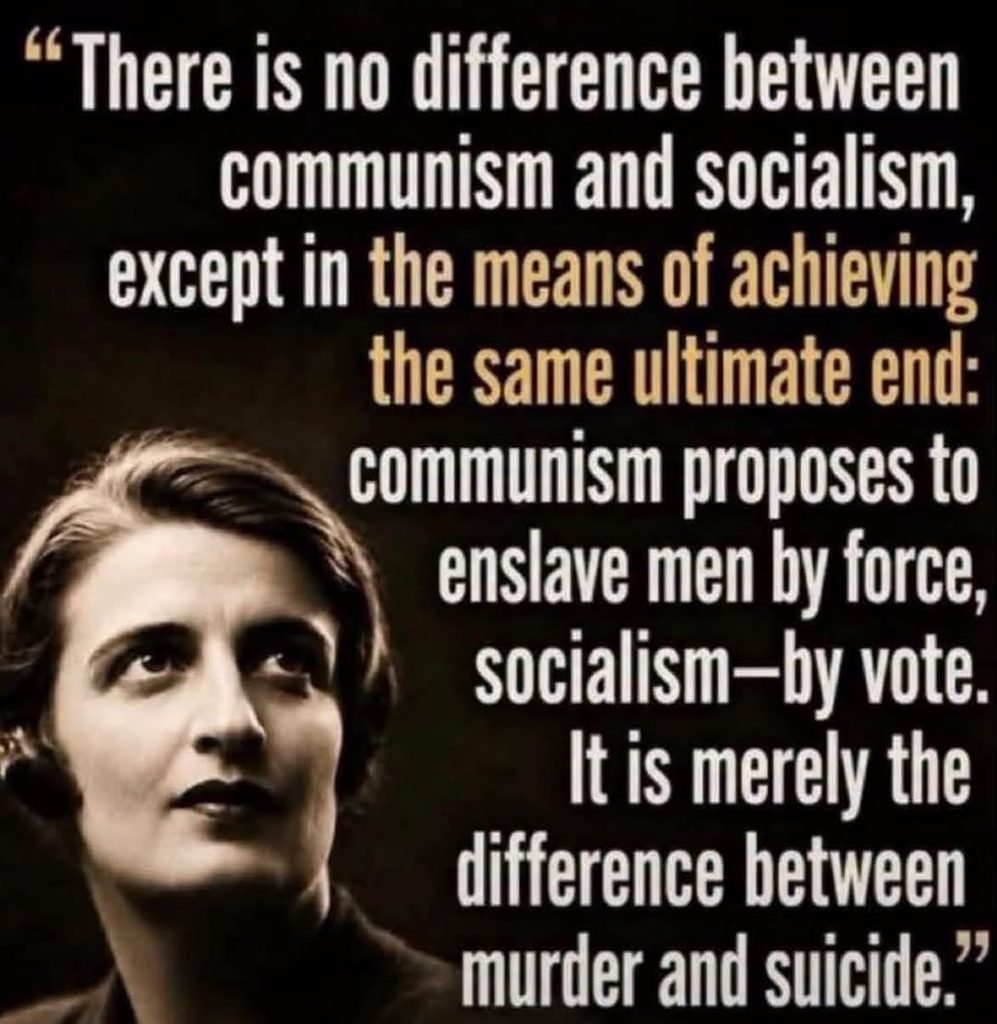
The world is exhausted by ideological wars waged with explosive slogans set against images created by AI. What it desperately needs are men and women whose faith does not waver with changing circumstances or the fears of the moment—a faith shared without pride or arrogance.
To ground our thinking in the Kingdom is to refuse to let our hearts be shaped by the idols of selfishness or identity-based isolation. It is to look at every human being through the eyes of the One who gave His life for all.
Let us continue to seek the good of the city where we live; let us be responsible and committed citizens—but let us not mistake our allegiance. Our homeland is from above. And it is by remaining faithful to the laws of this heavenly Kingdom—laws made of love, truth, justice, and hospitality—that we will be, here on earth, true witnesses to the Gospel.
Mikael Réale 2026
[1] Éphésians 4, 14
[2] Philippians 3:20
[3] Genese 4, 17
[4] Deuteronomy 10:19
[5] 1 Corinthians 3, 1-2
Recent Comments