By Mikael Reale
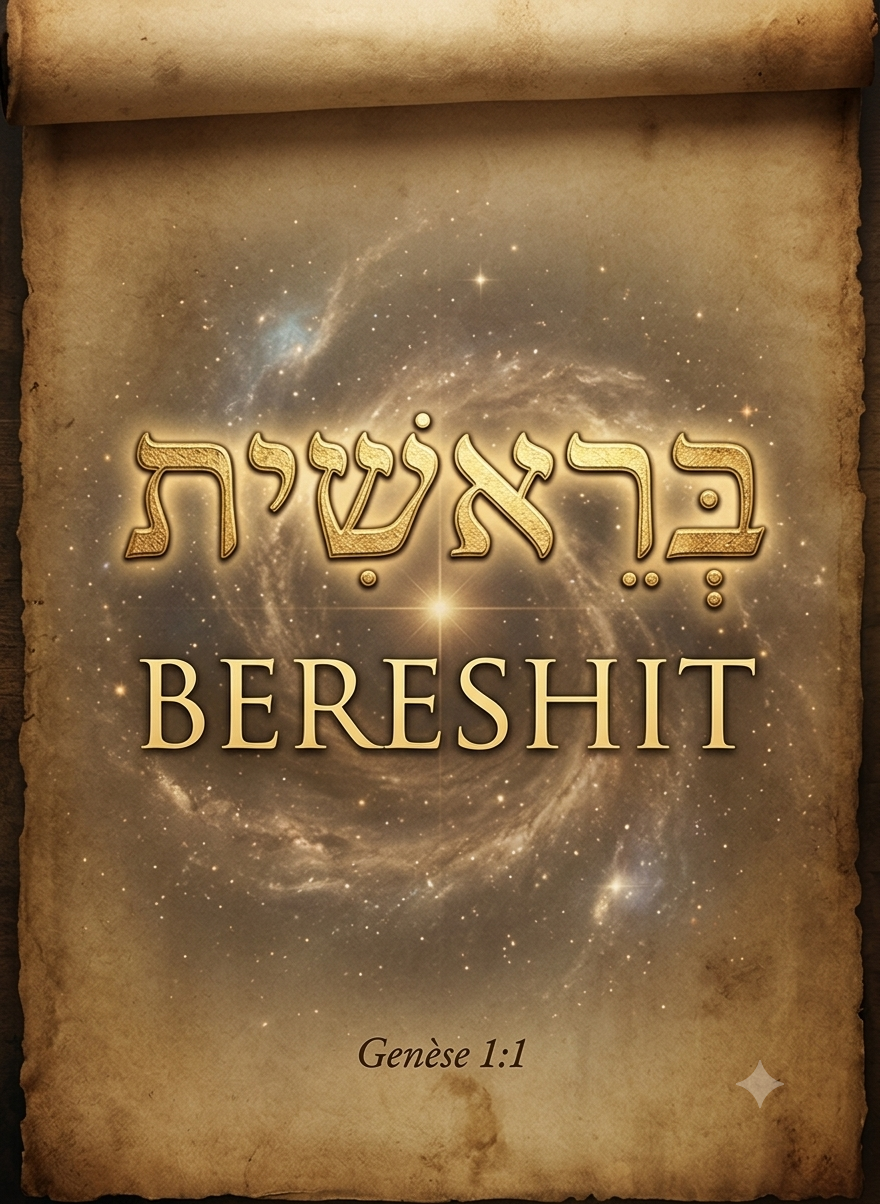
A question often arises as I read Genesis 1:1: Why, in the text of the Torah—so meticulously ordered, with its almost mathematical numerical values—does the first word of the first verse of the first book, Bereshit, begin with the letter Bet ("ב"), the second letter of the alphabet? (Recall that the numerical value of Aleph is 1, while that of Bet is 2.)
Does this not imply that before the beginning described in this introduction to the Torah, something already existed? God, of course, since Aleph ("א") often symbolizes divine unity. But perhaps also the Tohu va-Vohu—the formless void—preexisted the first verse of the Bible. Moreover, the definite article preceding Bereshit could well be interpreted as indefinite. We might therefore read it as "At a beginning" rather than "In the beginning." Could there be multiple beginnings? And might Bereshit’s beginning be merely the start of our relationship with God?
The Torah’s opening with the letter Bet suggests that it is not a metaphysical treatise about God, who precedes it, but rather a guide for us—humanity—teaching us how to relate to the One who transcends us. The Bible does not answer the question "Who is God?" but rather "What must we do to be in communion with Him?"
Rashi (Rabbi Chlomo ben Itzhak) for his part, notes that the Torah, as a "corpus of laws" governing God’s relationship with His people, might logically have begun with the first commandment given to the Children of Israel. Yet it starts with the account of Creation.
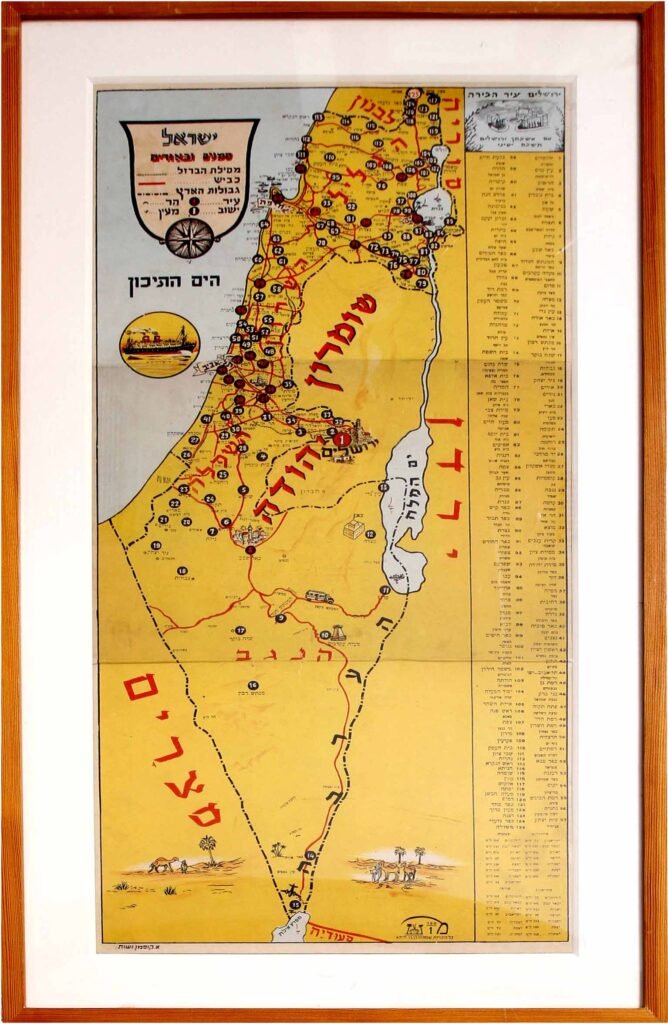
In doing so, the Law affirms God’s sovereignty over the world and justifies His right to grant the Land of Israel to the Jewish people. If God created the world, He may dispose of it as He wills, including bestowing a specific inheritance upon His people within it. For Rashi, the Bet at the beginning of Bereshit is no coincidence. It symbolizes both God’s divine authority over Creation and His blessing and love for it. He emphasizes that while the Torah is a code of laws, it begins with a narrative that establishes the covenant between God and His Creation.
From this perspective—and accepting that the understanding of this first text is not as rigid as Saint Augustine might have wished—we can see that the first verse of Genesis (Bereshit 1:1) and the first verse of the Gospel of John (John 1:1) seem to illuminate each other, especially when exploring the possibility of Christ as a prefigured presence in Bereshit.
From the Beginning of Creation to the Beginning of the Logos
When we place the first verse of the Torah alongside the opening words of the Gospel of John, a monumental theological bridge emerges before us. John writes, in direct echo of Genesis: "In the beginning was the Word, and the Word was with God, and the Word was God. He was with God in the beginning. Through Him all things were made; without Him nothing was made that has been made." (John 1:1–3).
If Genesis begins with Bet ("ב," value 2) to direct our attention toward Creation and humanity, the Gospel of John reveals what was hidden in Aleph ("א," value 1)—that invisible, preexistent unity. Christ, as the Logos (the creative Word), is the initiator of this beginning. He is the Architect through whom the framework of our relationship with the Father was established. Understanding that Bereshit can be translated as "At a beginning" helps us grasp that the material creation is not the origin of God but the origin of His covenantal project with humanity.
This Word, which "was in the beginning," did not remain an abstract idea or a distant cosmic force. God’s design, veiled in the Hebrew letters of Genesis, takes on flesh and becomes incarnate. The letter Bet, graphically, is closed at the top, bottom, and back, but it opens wide toward the front. It points forward—to the rest of the story, to human history, to a very specific destination: redemption.
The Breaking of Relationship and the Necessity of a Plan of Salvation
Why is this guide to relationship—the Bible—so vital? Because by the third chapter of Genesis, the communion initiated "at a beginning" is shattered by humanity’s fall. The original project, magnified by the blessing of Bet, is darkened by human rebellion. The spiritual Tohu va-Vohu—void, chaos, separation from the source of life—takes root in the human heart.
Yet God’s sovereignty, as Rashi highlights through the Creation narrative, implies paternal responsibility. If God is the rightful Owner of the earth and cosmos because He created them, He is also the Guarantor of their renewal. He could not abandon His Creation to decay. Here, the story pivots from being merely about a Law or a geographical inheritance to revolving around a universal plan of salvation—one whose foundations were laid before the structures of the world itself.
The entire Tanakh (Torah, Prophets, and Writings) yearns for the restoration of this lost communion. The sacrifices, the successive covenants with Noah, Abraham, and Moses—these are but pedagogical steps, shadows of the good things to come, foretelling a greater resolution. The initial "Tohu va-Vohu" might thus represent the state in which each of us finds ourselves before the "Word" initiates the new creation described in 2 Corinthians 5:17: "If anyone is in Christ, the new creation has come." This means our old identity, marked by sin and weakness, has been replaced by a new, divine identity. In essence, this concept reveals a perfect unity in God’s plan: The One who brought order to the physical cosmos at the beginning is the same One who, through His incarnate Word, brings order to the "inner cosmos" of anyone who unites with Him in Christ. Human history begins with a material creation emerging from chaos and culminates in a spiritual re-creation that transcends that very chaos.
John 3:16: The Ultimate Fulfillment of Bereshit’s Design
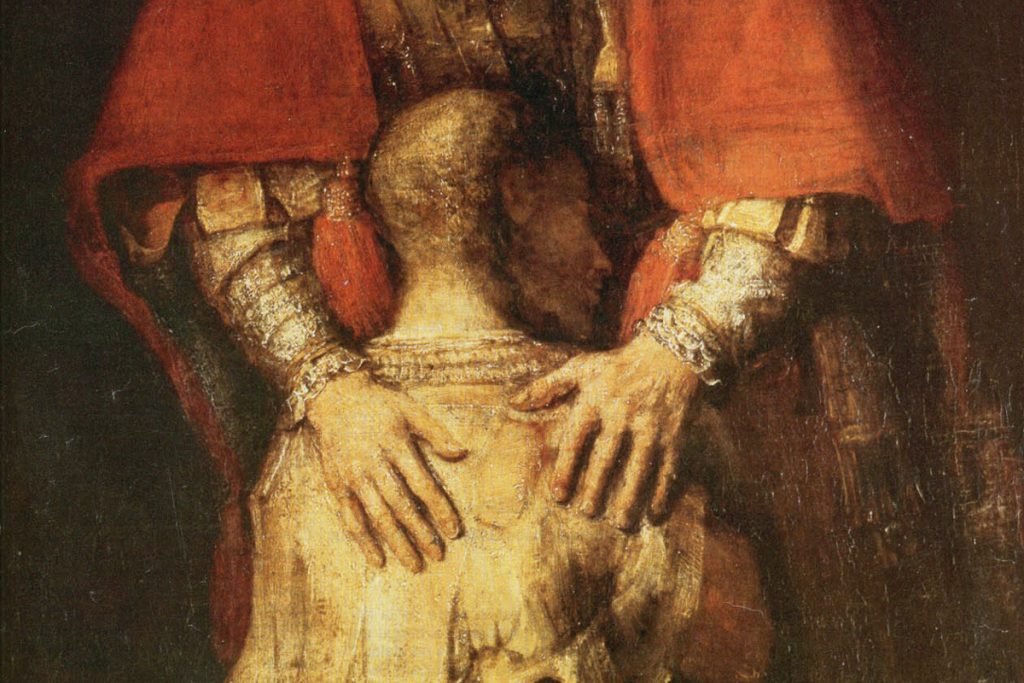
This historical and spiritual journey reaches its apex and perfect conclusion in the most famous declaration of the entire New Testament—a single verse that encapsulates God’s entire plan of salvation: "For God so loved the world that He gave His one and only Son, that whoever believes in Him shall not perish but have eternal life." (John 3:16)
If we reread this verse in light of our reflection on Bereshit, the theological puzzle gains stunning clarity. Why does the Torah begin with the Creation narrative rather than the commandments? Rashi answered: to affirm God’s love and ownership of His Creation. John 3:16 echoes: it is precisely because God has this ownership and visceral love for "the world" (the cosmos, Creation) that He refuses to let it perish.
The Aleph—the absolute divine Unity—emptied Himself. The transcendent God, who preexists the first verse of Genesis, became immanent. He "gave His one and only Son." Christ entered the space opened by the letter Bet. He stepped into our reality, into our "beginning," taking upon Himself our Tohu va-Vohu—our chaos and condemnation—to restore communion.
The purpose of the Bible was never to satisfy our intellectual or metaphysical curiosity about God’s essence. As we suspected from the start, it is a guide to relationship. And the perfection of this relationship is not found in the strict observance of a legal code but in the acceptance of a gift: "that whoever believes in Him."
The Beginning of Eternal Life
In the end, the circle is complete. The Bet of Bereshit opened the story of humanity under the sign of blessing and creation. The sacrifice of Christ on the cross and His resurrection open a new creation. God’s plan of salvation is not an improvised rescue plan after the "failure of Eden"—it is the eternal design of the One who knows the end before the beginning. By placing our faith in the only Son, we leave behind the realm of fleeting beginnings and corruptible creation to enter what will never end: eternal life. Our relationship with the Creator is no longer merely textual or legal; it becomes vital, organic, and eternal. This is the true meaning of the Word: to bring us home, into the perfect unity of the Aleph, through the love manifested in Jesus Christ
Mikaël Réale
Recent Comments